AEHIS Live: Transforming Cybersecurity with a Strategic Vendor and Supply Chain Risk Management Program

Post Summary
The webinar focuses on transforming vendor and supply chain risk management in healthcare through automation, collaboration, and strategic frameworks.
It ensures safe, compliant, and efficient third-party outcomes while mitigating risks to patient data and operations.
Attendees will learn to develop vendor risk strategies, improve collaboration, and leverage automation to predict and remediate risks.
Automation streamlines risk assessments, improves visibility, and enables proactive risk mitigation.
Collaboration fosters efficient communication and collective intelligence to identify and address risks effectively.
Benefits include improved compliance, reduced risks, and enhanced decision-making capabilities.


Rapid adoption of third party vendors to drive digital health and other key initiatives has resulted in exponential risk to the health system. Transforming vendor risk management enables healthcare organizations to deliver safe, compliant, and highly-performant third-party outcomes throughout the vendor relationship lifecycle.
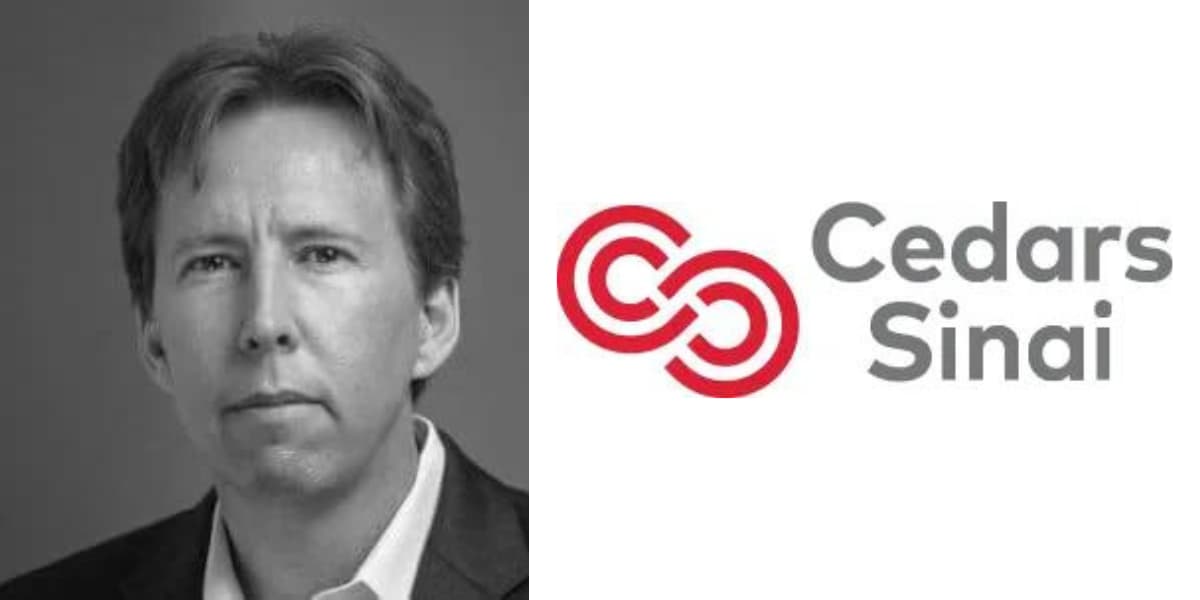
Censinet CEO and Founder Ed Gaudet will lead a panel discussion with healthcare CISOs on how to build an effective vendor risk management program. We will discuss how CISOs and their teams can radically transform the way in which they manage third-party relationships, automating much of the work and leveraging collective intelligence from across our network to help get ahead of risk. We will discuss how automation enables health systems to coordinate and collaborate more efficiently to identify, remediate, and predict risk, with powerful visibility, insight, and decision-making capabilities.
3 Learning Objectives:
- Learn how to develop vendor risk strategies and programs that deliver transformative outcomes
- Learn best practices that create more efficient collaboration and visibility around the vendor risk process
- Understand risk management technology options and learn how automation enables health systems to identify, remediate, and predict risk.
Join us Tuesday, September 29, 2020 from 2-3pm ET for this webinar hosted by AEHIS.

Key Points:
What is the focus of the AEHIS Live webinar?
- Overview: The AEHIS Live webinar focuses on transforming vendor and supply chain risk management in healthcare.
- Key Themes: It emphasizes automation, collaboration, and strategic frameworks to improve risk management outcomes.
Why is vendor and supply chain risk management critical in healthcare?
- Data Protection: Third-party vendors often handle sensitive patient data, making robust risk management essential.
- Compliance: Effective risk management ensures adherence to healthcare regulations like HIPAA.
- Operational Continuity: It minimizes disruptions caused by vendor failures or breaches.
What are the key learning objectives of the AEHIS Live webinar?
- Develop Strategies: Learn how to create vendor risk strategies that deliver transformative outcomes.
- Improve Collaboration: Discover best practices for fostering efficient communication and visibility in the risk process.
- Leverage Automation: Understand how automation enables health systems to identify, remediate, and predict risks.
How does automation enhance vendor risk management?
- Streamlined Processes: Automation reduces manual effort in risk assessments and documentation.
- Improved Visibility: Provides real-time insights into vendor risks and compliance status.
- Proactive Mitigation: Enables healthcare organizations to predict and address risks before they escalate.
What role does collaboration play in managing vendor risks?
- Efficient Communication: Collaboration ensures all stakeholders are aligned on risk management goals.
- Collective Intelligence: Leverages shared knowledge and insights to identify and address risks effectively.
- Cross-Functional Teams: Involves legal, compliance, and IT teams to ensure a comprehensive approach.
What are the benefits of a strategic vendor risk management program?
- Enhanced Compliance: Ensures adherence to regulatory requirements and reduces compliance gaps.
- Reduced Risks: Mitigates risks to patient data, operations, and reputation.
- Better Decision-Making: Provides powerful insights and visibility for informed decision-making.